May 4, 2026
Whiplash is one of the most common injuries people experience after a sudden impact, particularly during motor vehicle accidents. The rapid back-and-forth motion of the neck can strain soft tissues, disrupt joint function, and lead to discomfort that lingers far beyond the initial incident. While some symptoms appear right away, others may develop gradually, making it important to understand what proper care involves and how recovery typically progresses.
Seeking post-whiplash chiropractic treatment can play a key role in addressing both the immediate effects of the injury and any underlying issues that may interfere with healing. By focusing on restoring alignment, reducing inflammation, and improving mobility, chiropractic care offers a structured and patient-centered path toward recovery.
Initial Evaluation and Diagnosis Process
Understanding Your Injury History
The first step in post-whiplash chiropractic treatment involves a comprehensive review of your injury. A chiropractor will ask detailed questions about how the incident occurred, the direction of impact, and when symptoms began. This information helps identify the forces placed on the cervical spine and provides insight into potential soft tissue damage.
In many cases, individuals underestimate the severity of their injury because symptoms can be delayed. According to ScienceDirect, neck sprains and strains accounted for about 28% of emergency room visits tied to car accidents. This highlights how frequently the cervical spine is affected, even when the collision may not seem severe at first.
Understanding your personal timeline of symptoms also allows the chiropractor to distinguish between acute inflammation and longer-term dysfunction. This distinction is important when developing a treatment plan that evolves with your recovery.
Physical Examination and Assessment
After discussing your history, the chiropractor performs a physical examination focused on the neck, upper back, and surrounding musculature. This includes assessing the range of motion, identifying areas of tenderness, and evaluating how well your joints are functioning.
Muscle tightness, restricted movement, and joint misalignment are all common findings after whiplash. The examination may also include neurological checks to ensure that nerves are not being compressed or irritated. These assessments help pinpoint the root cause of your discomfort rather than just addressing surface-level symptoms.
In some cases, imaging studies may be recommended if there is concern about more significant structural damage. However, many whiplash injuries primarily involve soft tissues, which are often best evaluated through hands-on assessment.
Creating a Personalized Treatment Plan
Once the evaluation is complete, a customized plan is developed to guide your recovery. No two injuries are identical, so post-whiplash chiropractic treatment is tailored to your specific condition, symptom severity, and overall health.
Your plan may outline the frequency of visits, types of therapies to be used, and goals for each stage of recovery. Early care often focuses on reducing inflammation and pain, while later phases emphasize restoring strength and mobility.
This individualized approach ensures that treatment progresses at a pace that aligns with your body's natural healing process. It also allows for adjustments along the way as your condition improves or changes.
Common Techniques Used During Treatment
Gentle Spinal Adjustments
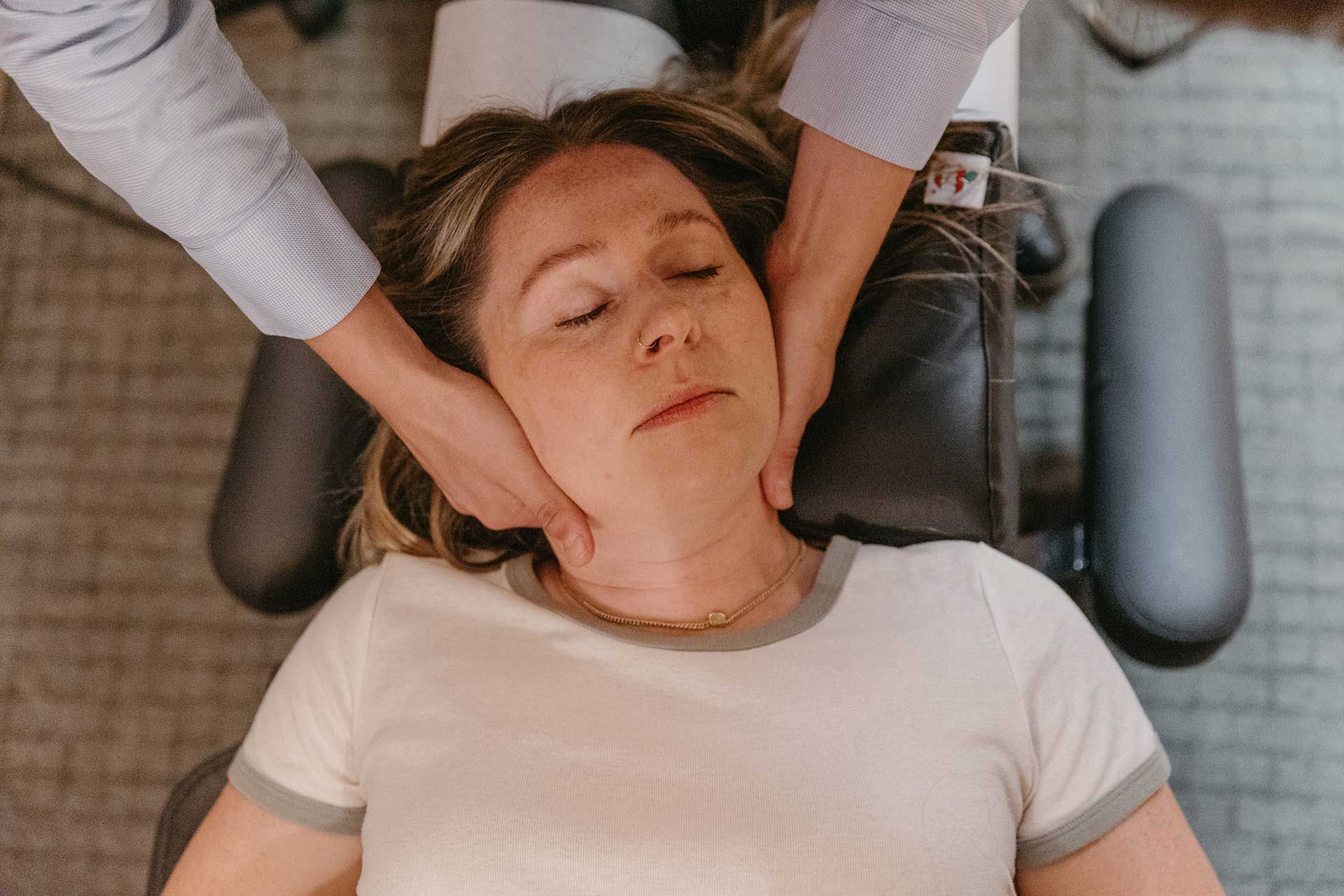
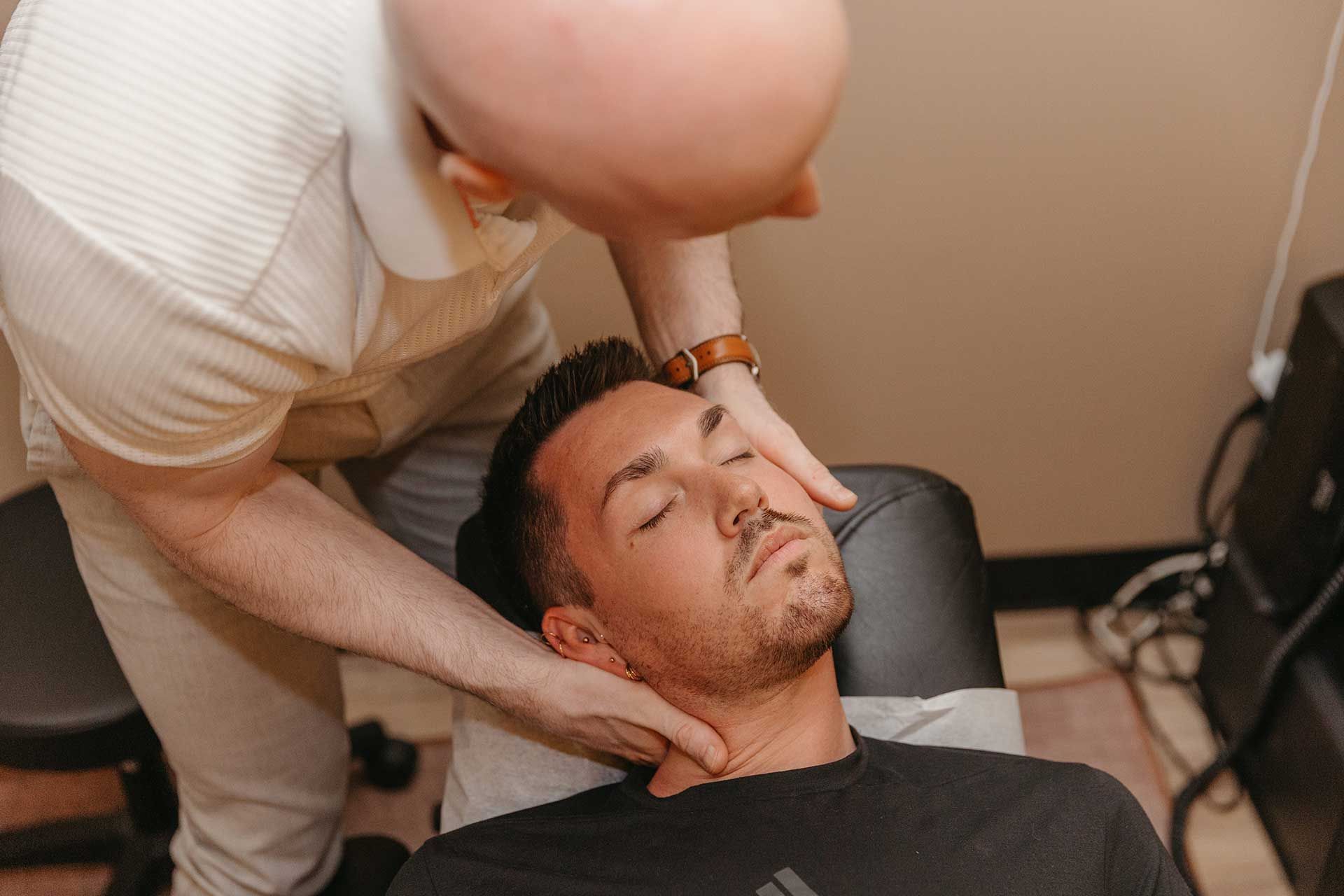
One of the core components of post-whiplash chiropractic treatment is spinal adjustment. These techniques are designed to restore proper alignment within the cervical spine and improve joint mobility.
After a whiplash injury, joints in the neck may become restricted or misaligned, leading to stiffness and discomfort. Gentle adjustments help reestablish normal movement patterns, which can reduce pressure on surrounding tissues and support healing.
These adjustments are typically modified to suit the sensitivity of the injured area. Rather than using forceful movements, chiropractors often apply controlled, low-impact techniques that prioritize patient comfort while still achieving effective results.
Soft Tissue Therapies and Muscle Relief
In addition to joint-focused care, addressing the surrounding muscles is essential. Whiplash often causes significant muscle tension, which can contribute to pain and limit mobility. Soft tissue therapies are used to relax these muscles and improve circulation.
Techniques such as therapeutic massage and targeted stretching may be incorporated into your sessions. These methods help break up tension, reduce inflammation, and promote better blood flow to the affected areas.
Improved circulation supports the delivery of nutrients and oxygen to injured tissues, which plays a vital role in recovery. Over time, these therapies can also help restore flexibility and reduce the risk of chronic stiffness.
Supportive Therapies for Recovery
Post-whiplash chiropractic treatment often includes additional supportive methods to enhance healing. Depending on your needs, this may involve modalities that help manage discomfort and encourage tissue repair.
Some therapies are designed to reduce muscle spasms, while others focus on stabilizing the affected area. Taping, for example, can provide support to strained muscles without restricting movement. Electrical stimulation may also be used to help manage pain and improve muscle function.
These complementary approaches are not used in isolation. Instead, they work alongside adjustments and manual therapies to create a well-rounded treatment plan that addresses multiple aspects of the injury.
Typical Recovery Timeline and Long-Term Expectations
Early Stage Healing and Symptom Relief
The initial phase of post-whiplash chiropractic treatment focuses on reducing pain and inflammation. During this stage, patients often experience symptoms such as stiffness, headaches, and limited range of motion.
Frequent visits may be recommended early on to help stabilize the condition and prevent symptoms from worsening. As inflammation decreases, many patients begin to notice improvements in comfort and mobility.
It is important to follow your chiropractor's recommendations during this stage, including any guidance for at-home care. Rest, proper posture, and gentle movement can all support the healing process between visits.
Restoring Strength and Mobility
As your condition improves, treatment shifts toward restoring normal function. This includes improving flexibility, strengthening supporting muscles, and enhancing overall stability in the neck and upper back.
Exercises and stretches may be introduced to help rebuild strength and prevent future strain. These movements are typically low-impact and tailored to your specific needs, ensuring that they support recovery without causing additional stress.
Consistency is key during this phase. Gradual progress helps the body adapt and reduces the likelihood of setbacks. By addressing both strength and mobility, post-whiplash chiropractic treatment aims to restore balance within the musculoskeletal system.
Preventing Long-Term Complications
Without proper care, whiplash injuries can lead to chronic discomfort and ongoing mobility issues. Addressing the injury early and thoroughly reduces the risk of long-term complications.
Chiropractic care emphasizes not only recovery but also prevention. By improving joint function and muscle balance, treatment helps reduce strain on the cervical spine during daily activities.
Patients are often given guidance on posture, ergonomics, and lifestyle habits that support spinal health. These recommendations play an important role in maintaining the progress achieved during treatment and minimizing the chance of recurring injury.
Recovering from a whiplash injury requires more than simply waiting for symptoms to subside. The underlying strain on the neck and surrounding structures can persist if not properly addressed, leading to ongoing discomfort and reduced mobility. Understanding what to expect from post-whiplash chiropractic treatment allows patients to approach recovery with confidence and clarity.
Through a combination of thorough evaluation, targeted therapies, and personalized care, chiropractic treatment supports the body's natural healing process. By addressing both the immediate effects of the injury and the factors that contribute to long-term health, patients can work toward lasting relief and improved function. For more information on professional post-whiplash chiropractic care, reach out to Laurelhurst Chiropractic.