February 25, 2026
Modern life pulls our bodies in two very different directions. On one hand, many people push their limits in the gym, on the field, or on the trail. On the other, countless professionals spend long hours seated at desks, hunched over laptops, or commuting in traffic. Whether you’re training for your next race or navigating back-to-back Zoom meetings, your spine and musculoskeletal system bear the brunt of your daily routine.
Local chiropractors understand that no two bodies — or schedules — are alike. By tailoring treatment plans to specific movement patterns, occupational demands, and lifestyle goals, they help patients stay active, productive, and pain-free. Here’s how chiropractic care is customized for both active lifestyles and desk-bound careers.
Understanding the Demands of Your Daily Routine
The first step in customized chiropractic care is to understand how you use your body each day. A runner logging 30 miles per week places very different stress on the hips and lower back than an accountant sitting for eight hours. A construction worker lifting heavy materials will experience unique strain compared to a graphic designer who rarely leaves their chair.
During an initial consultation, chiropractors ask detailed questions about your occupation, hobbies, workout frequency, injury history, and long-term goals. They may assess posture, gait, joint mobility, muscle imbalances, and spinal alignment. This comprehensive evaluation forms the foundation of a personalized care plan. Rather than offering a one-size-fits-all adjustment, local chiropractors align their approach with the specific physical demands you face daily.
Customized Care for Athletes and Active Individuals
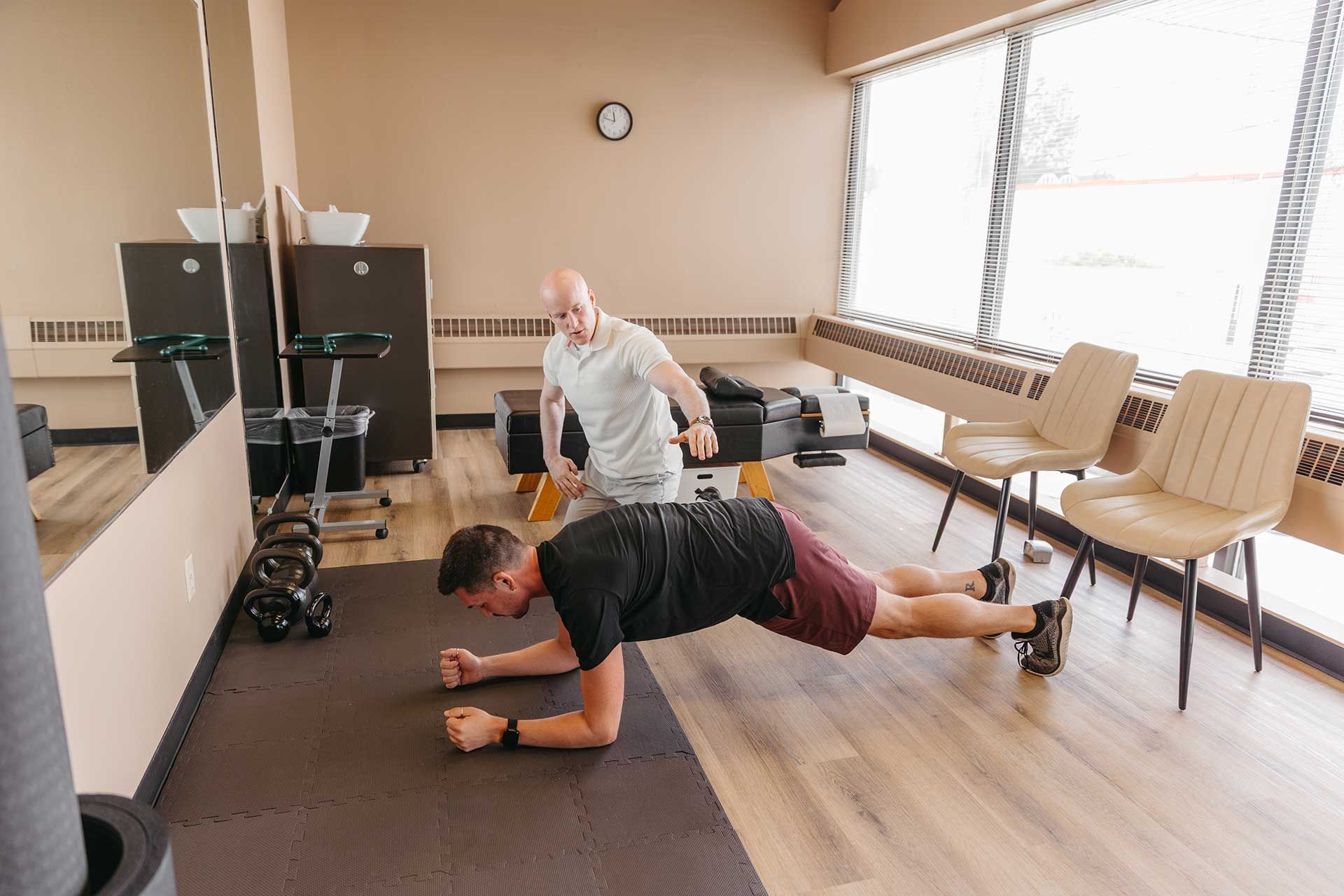
Active lifestyles are incredibly beneficial for overall health, but repetitive motion and high-impact activities can lead to overuse injuries and joint stress. Chiropractors working with athletes or fitness enthusiasts often focus on performance optimization as much as pain relief.
For runners, treatment may target the hips, knees, and ankles to improve stride mechanics and reduce strain on the lower back. Weightlifters might benefit from shoulder and thoracic spine adjustments to enhance mobility and maintain proper lifting form. Cyclists frequently need work on the neck and upper back due to prolonged forward posture.
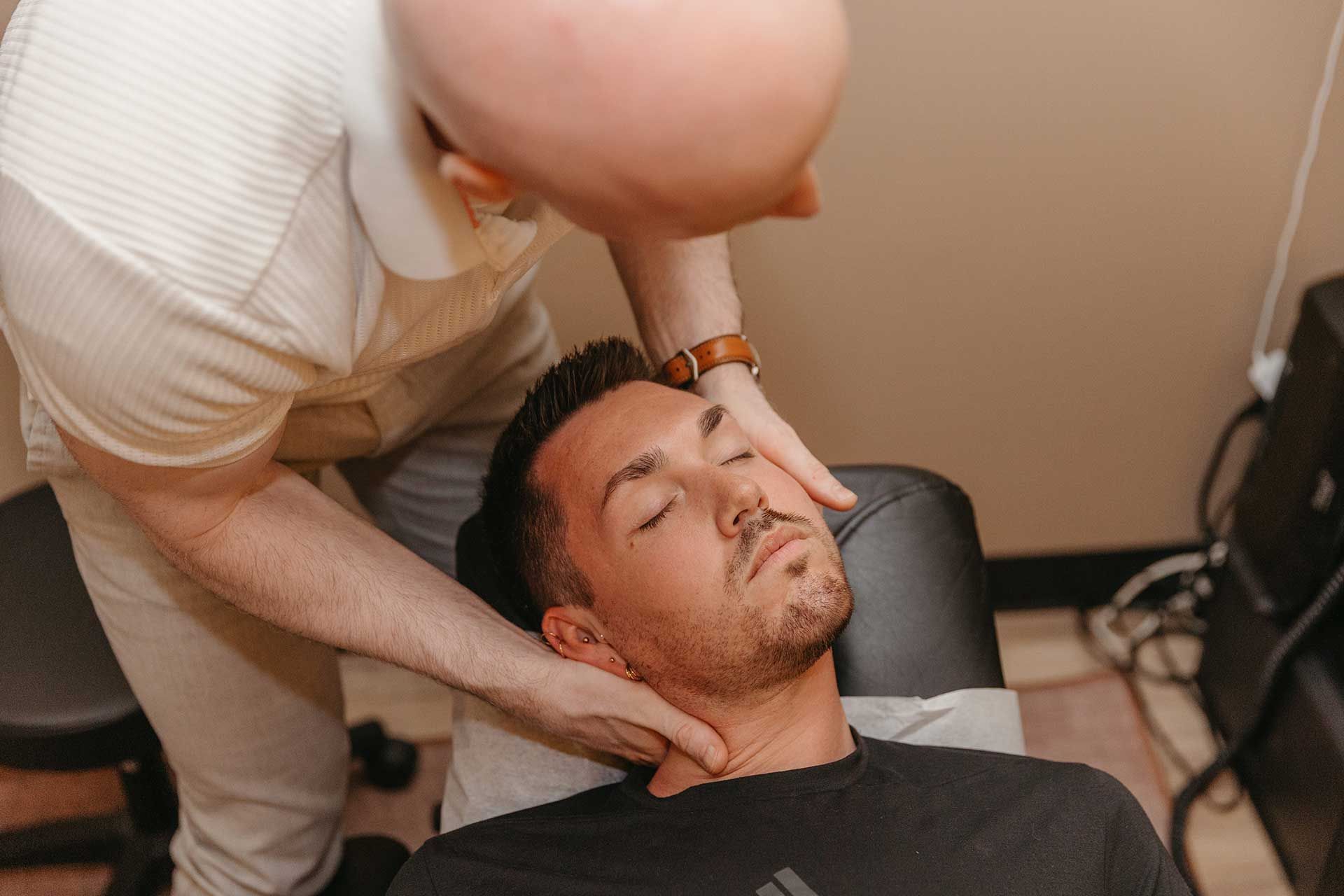
Chiropractic adjustments can help restore joint alignment, improve range of motion, and reduce inflammation. In addition, many local chiropractors incorporate soft tissue therapies to address tight muscles that develop from repetitive training. By improving biomechanics, chiropractic care may help active individuals recover faster, reduce injury risk, and perform at their peak.
Injury Prevention and Recovery Support
For those with active lifestyles, prevention is just as important as treatment. Chiropractors often design proactive care plans to keep small imbalances from turning into major setbacks. Regular adjustments can help maintain proper alignment and reduce uneven stress on joints and muscles.
If an injury does occur — such as a sprain, strain, or minor sports-related trauma — chiropractic care can complement other medical treatments. Gentle mobilization techniques, therapeutic exercises, and guided stretching routines may support the healing process.
Many local chiropractors also collaborate with physical therapists, massage therapists, or primary care providers when necessary. This integrated approach ensures that active patients receive comprehensive care tailored to both short-term recovery and long-term resilience.
Addressing the Challenges of Desk Jobs
While active individuals face repetitive motion stress, desk workers encounter a different set of challenges. Prolonged sitting, poor ergonomics, and forward head posture can lead to chronic neck pain, shoulder tension, headaches, and lower back discomfort.
Local chiropractors frequently see patients whose symptoms stem from extended screen time and sedentary habits. Slouching compresses the spine, weakens core muscles, and places strain on the cervical spine. Over time, this can contribute to stiffness, reduced mobility, and recurring pain.
Customized chiropractic care for desk workers focuses on counteracting these postural imbalances. Adjustments may target the neck, upper back, and lumbar spine to restore natural curvature and relieve tension.
Posture Correction and Ergonomic Guidance
Beyond in-office adjustments, chiropractors often provide practical recommendations to improve workplace ergonomics. Small changes — such as adjusting monitor height, using lumbar support, or repositioning a keyboard — can significantly reduce strain.
Patients may receive instruction on proper seated posture, including keeping feet flat on the floor, shoulders relaxed, and ears aligned over the shoulders rather than jutting forward. Chiropractors might also suggest standing desks or scheduled movement breaks to minimize prolonged sitting.
By combining spinal care with ergonomic education, local chiropractors empower desk-bound professionals to take control of their musculoskeletal health throughout the workday.
Strengthening Weak Muscles and Improving Mobility
Whether someone is highly active or largely sedentary, muscle imbalances are common. Active individuals may develop tight hips or hamstrings, while desk workers often experience weakened thighs and tight chest muscles.
Chiropractors frequently incorporate corrective exercises into personalized treatment plans. These exercises are selected based on each patient’s assessment findings. For example:
- Core stabilization exercises to support the lumbar spine.
- Scapular strengthening movements to reduce upper back strain.
- Hip mobility drills to enhance athletic performance and reduce lower back stress.
These targeted exercises help reinforce the benefits of chiropractic adjustments and support long-term structural balance.
Flexible Treatment Plans That Fit Busy Schedules
Active professionals often juggle demanding schedules. Local chiropractors recognize this reality and design treatment plans that fit seamlessly into busy lives. Some patients may benefit from short-term intensive care following an injury, while others choose maintenance visits to stay aligned and mobile.
The frequency of care depends on individual goals, symptom severity, and daily physical demands. An athlete in peak training season might schedule more frequent visits, while a desk worker managing mild discomfort may opt for periodic check-ins. Customization extends beyond techniques — it includes scheduling, communication, and ongoing progress evaluations to ensure care remains aligned with evolving needs.
Personalized Techniques for Different Comfort Levels
Not every patient responds the same way to manual adjustments. Some prefer traditional hands-on spinal manipulation, while others feel more comfortable with low-force or instrument-assisted techniques.
Local chiropractors often offer a range of methods to accommodate different comfort levels and medical histories. Patients recovering from injury, managing chronic conditions, or new to chiropractic care may benefit from gentler approaches. This adaptability ensures that care is not only effective but also aligned with each patient’s comfort and confidence.
Tracking Progress and Adjusting the Plan
Customization is an ongoing process. As patients improve, change routines, or set new goals, chiropractic care evolves with them. A desk worker who begins a new fitness program may require adjustments to address different muscle groups. An athlete entering the off-season might shift focus from performance optimization to recovery and mobility.
Chiropractors track improvements in range of motion, pain levels, posture, and functional movement. Regular reassessments allow for fine-tuning of treatment techniques and exercise recommendations. This dynamic approach ensures that care remains relevant and responsive to real-life demands.
Supporting Balance Between Movement and Stillness
Today’s world demands both movement and stillness. We push our bodies in workouts and strain them in stillness at desks. Each extreme carries its own risks, but both can be managed effectively with thoughtful, personalized care.
Local chiropractors bridge the gap between active ambition and occupational reality. Through customized assessments, targeted adjustments, corrective exercises, ergonomic guidance, and holistic wellness support, they tailor care to meet patients exactly where they are.
According to Gitnux, 35% of chiropractic patients are looking for relief from back pain from various causes. Whether you’re chasing a personal best or simply trying to get through the workday without discomfort, chiropractic care can be adapted to fit your lifestyle. With the right plan in place, your spine and joints can stay aligned with your goals — both at the desk and in motion. Contact our team at Laurelhurst Chiropractic today!