October 23, 2026
For countless desk workers, spending eight or more hours bound to a chair is a daily reality that inevitably takes a toll on the body. Prolonged sitting, poor workstation setups, and static postures subject the lumbar spine to continuous mechanical strain, leading to persistent tightness, reduced mobility, and chronic discomfort. Overcoming this daily physical stress requires more than just trying to "sit up straight"; it demands a proactive approach that combines ergonomic workspace adjustments, targeted movement routines, and professional spinal care. By taking intentional steps to protect your back during the workday, you can eliminate stiffness, boost daily energy, and safeguard your long-term spinal health.
Identifying the Primary Causes of Lower Back Stiffness
Spending eight or more hours seated at a desk creates severe mechanical strain on the lumbar spine and surrounding soft tissue. Slouching or leaning toward a monitor forces the spine out of its natural neutral alignment, placing excess stress on the intervertebral discs and lower back muscles. As fatigue sets in over the course of a long workday, poor posture naturally worsens, compounding physical tension and leading to chronic stiffness.
Prolonged sitting also causes the hip flexors and hamstrings to shorten, while the gluteal and core muscles become inactive. This muscular imbalance alters pelvic tilt and deprives the lower back of necessary structural support. Additionally, improper workspace arrangements, lack of movement, and high workplace stress further trigger muscle spasms and joint restriction. Managing this daily physical stress requires a proactive approach that combines ergonomic adjustments, active movement, and professional care.
Optimizing Workspace Ergonomics for Spinal Alignment
Correcting your office setup is a fundamental step in eliminating daily back stiffness and maintaining healthy posture. Your office chair should support the natural curve of your lumbar spine, with your feet resting flat on the floor and knees bent at a 90-degree angle. If your chair lacks adequate lumbar contouring, using a small cushion or lumbar roll can help preserve proper spinal curvature and prevent slouching.
Desk height, monitor placement, and peripheral positioning also play crucial roles in maintaining balanced posture throughout the workday. Your computer monitor should be positioned directly in front of you at arm's length, with the top third of the screen sitting at eye level to prevent neck and upper back strain. Keyboards and mice should be kept close enough to allow forearms to rest parallel to the floor, eliminating the need to reach or twist while typing.
Implementing Active Habits and Timed Movement Breaks
Even the most advanced ergonomic workstation cannot completely eliminate the physical strain of sitting continuously for hours. Introducing regular movement into your daily routine breaks the cycle of static muscle contraction and restores proper blood circulation to tight tissues. Utilizing structured time-management methods, such as taking a five-minute standing or stretching break every 25 to 30 minutes, encourages consistent mobility without disrupting workflow.
Targeted stretches performed throughout the workday help keep high-risk muscle groups flexible and relaxed. Simple exercises—such as standing hip flexor stretches, seated spinal twists, gentle cat-cow flows, and chest openers—counteract the forward-slouching posture common among desk workers. Incorporating brief walks during phone calls or utilizing a sit-stand desk to alternate between positions further reduces continuous pressure on the lumbar spine.
Assessing the Role of Proper Footwear and Ergonomic Foot Support
The foundation of your seating posture begins at your feet, making proper lower-body support essential for preventing lumbar strain. Resting your feet flat on the floor distributes lower-body weight evenly, maintaining a neutral pelvic tilt and preserving the natural curve of your lower back. When your feet dangle or lack solid support, your pelvis tilts backward, forcing the lower back muscles to work continuously to keep you upright.
Utilizing an adjustable footrest helps maintain proper hip alignment, especially when working at fixed-height desks that require raising your chair. Pairing good foot support with supportive, cushioned footwear further reduces physical fatigue throughout the workday. Avoiding high heels or overly flat, unsupportive shoes while working at a sit-stand desk prevents tight calves and improper pelvic alignment, protecting your spine from unnecessary physical stress.
Utilizing Professional Chiropractic Care for Lasting Relief
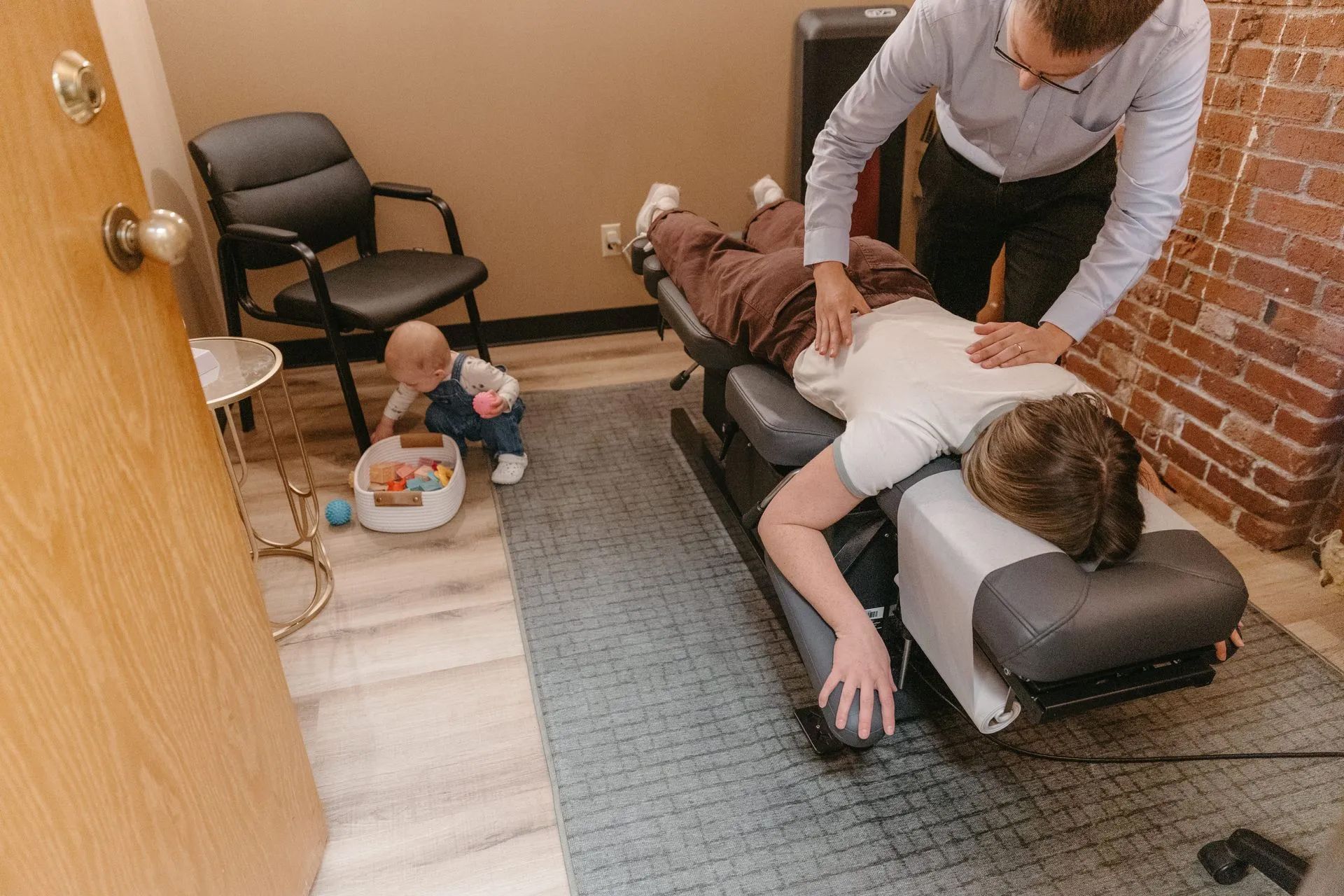
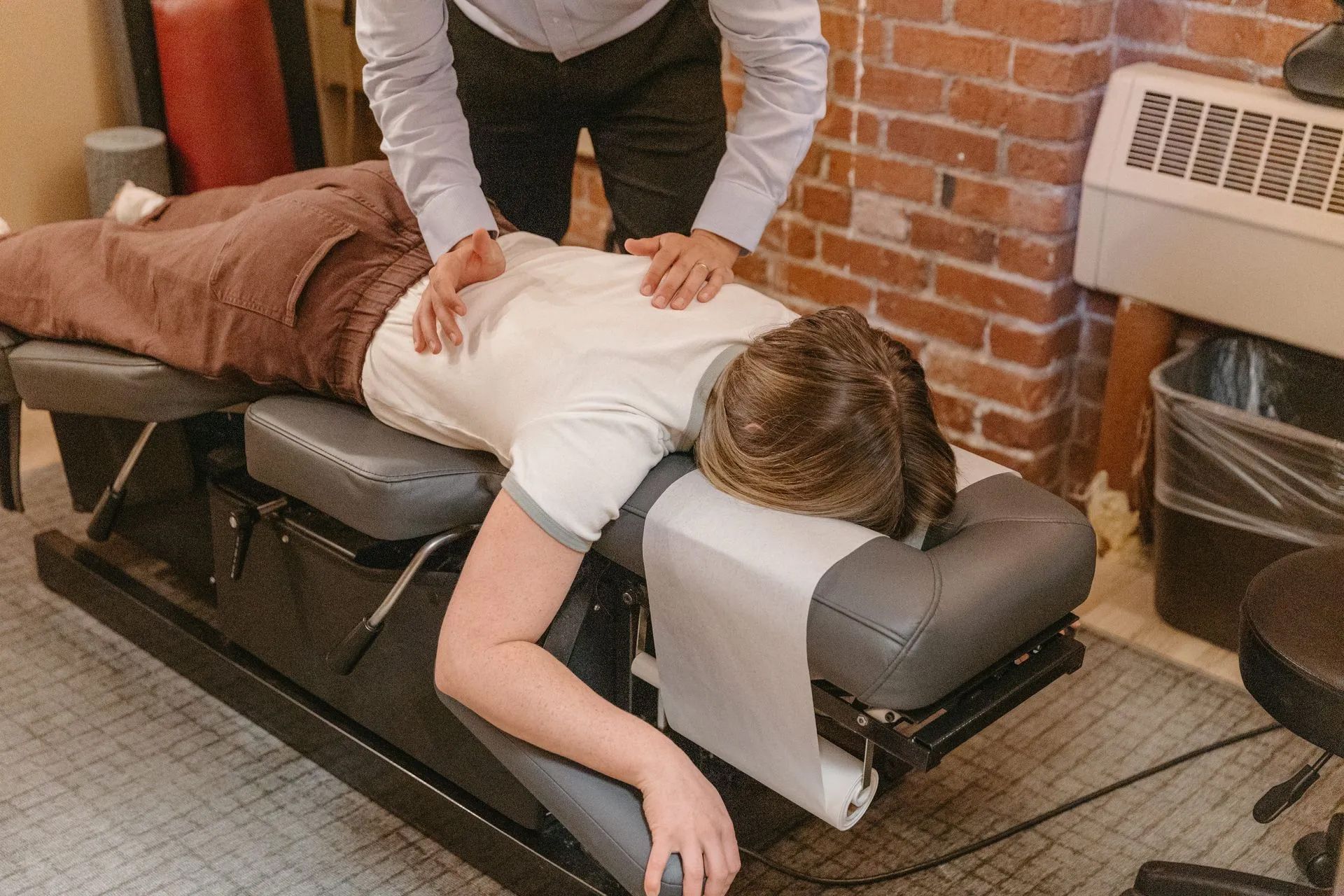
While ergonomic improvements and daily stretching significantly reduce stiffness, underlying spinal misalignments and joint restrictions often require specialized manual care. Experienced chiropractors perform targeted spinal adjustments to restore proper joint mechanics, relieve nerve compression, and reduce localized inflammation. Professional care addresses structural issues that self-care routines alone cannot fully correct.
According to IBISWorld, the chiropractic industry in the U.S. reached a market size of $21.8 billion in 2024, reflecting a growing reliance on non-invasive spinal care to manage occupational musculoskeletal strain. Visiting qualified chiropractors regularly helps desk workers maintain proper spinal mobility, improve posture, and prevent minor muscle tightness from developing into chronic injuries. Incorporating professional spinal care into your wellness routine provides comprehensive, long-term support for your back.
Incorporating Hydration and Stress Management Techniques
Hydration plays an essential, often overlooked role in preserving spinal health and preventing muscle stiffness. The intervertebral discs that cushion the spine consist mostly of water, relying on adequate hydration to maintain their height, flexibility, and shock-absorbing capacity. Drinking water consistently throughout the workday helps keep spinal discs hydrated, reducing stiffness and friction between adjacent vertebrae.
Psychological stress and mental fatigue also manifest physically as persistent muscle tension in the shoulders, upper back, and lower lumbar region. When work deadlines cause anxiety, the body remains in a heightened state of muscular contraction. Integrating brief deep-breathing exercises, progressive muscle relaxation, or short mindfulness sessions during work breaks helps lower stress levels, allowing tense back muscles to release naturally.
Strengthening Core and Posterior Chain Muscle Groups
Building strong, resilient core and back muscles is the ultimate long-term defense against desk-induced back pain. The core acts as an internal corset, supporting the spine and maintaining proper pelvic positioning during extended periods of sitting. Exercises that target the transverse abdominis, glutes, hamstrings, and erector spinae help stabilize the lower back and absorb daily physical stress.
Low-impact exercises such as planks, bird-dogs, glute bridges, and dead bugs build essential muscular endurance without placing unnecessary stress on the lumbar joints. Performing these targeted exercises three to four times a week strengthens the posterior chain, improves posture, and prevents fatigue-induced slouching. A strong core allows desk workers to sit comfortably without placing excessive demands on tight lower back tissues.
Overcoming lower back stiffness requires a comprehensive, proactive approach that combines ergonomic workstation design, daily movement habits, targeted core strengthening, and professional spinal care. By optimizing your desk setup, taking frequent mobility breaks, staying hydrated, and managing workplace stress, you can protect your spine from the cumulative physical strains of a sedentary work environment. Building these small, consistent habits into your daily 9-to-5 routine stops minor muscular tightness from escalating into severe chronic pain.
Our team of experienced specialists is dedicated to providing compassionate, individualized care that helps you conquer daily office fatigue and enjoy a healthy, active lifestyle both at work and beyond. Partnering with licensed chiropractors ensures that underlying structural misalignments and joint restrictions are addressed safely and effectively, allowing you to work comfortably and maintain long-term spinal health. Rather than letting daily posture strain dictate your comfort and productivity, taking charge of your musculoskeletal wellness keeps your body resilient, agile, and pain-free. To receive personalized chiropractic adjustments, ergonomic advice, and expert spinal guidance tailored specifically to your desk routine, contact Laurelhurst Chiropractic today to schedule your consultation.