September 12, 2026
Seeking non-invasive solutions for chronic back discomfort, neck stiffness, and joint fatigue has led many individuals to explore modern holistic healthcare options. Busy lifestyles, sedentary desk routines, and repetitive physical strain frequently contribute to spinal misalignments that disrupt natural mobility and overall wellness. While spinal adjustments remain widely recognized, non-surgical spinal decompression stands out as a specialized care option that generates growing interest among individuals seeking lasting relief without invasive procedures or prolonged downtime. This gentle therapy utilizes computer-controlled traction tables to relieve pressure on compressed spinal discs, promoting nutrient flow and natural tissue recovery. Understanding how non-surgical decompression operates, who benefits most, and how it fits into a comprehensive health plan helps patients make informed decisions about their spinal care. Working alongside a skilled professional ensures that each therapeutic session is customized to target specific areas of tension and spinal distress effectively. Consulting a knowledgeable chiropractor allows patients to explore non-invasive spinal care options tailored to their unique physical health goals.
According to ClinicMind, spinal manipulation accounts for approximately 45.9% of chiropractic market revenue, highlighting its central role as the cornerstone of modern holistic physical care. While hands-on adjustments remain the primary driver of patient volume and clinical practice, the modern chiropractic landscape continues to expand beyond traditional manual thrusts. Integrating complementary therapies—such as mechanical spinal decompression, soft tissue mobilization, laser therapy, and active rehabilitation exercises—allows practices to address complex musculoskeletal conditions more comprehensively. This balanced approach not only diversifies clinical offerings but also provides patients with customized, multi-modal care plans that foster long-term recovery, enhanced mobility, and overall spinal health.
Uncovering the Mechanics of Non-Surgical Decompression
Understanding how gentle mechanical traction creates space within the spinal column helps demystify the decompression process for new patients. Non-surgical decompression gently stretches the spine using specialized motorized tables controlled by advanced computer software. This controlled, incremental stretching creates negative pressure within damaged or herniated spinal discs, encouraging bulging material to retract toward its proper alignment. The resulting vacuum effect facilitates the influx of oxygen, water, and essential nutrients into disc tissues, promoting natural cell repair and inflammation reduction. Patients rest comfortably on the padded decompression table while supportive harnesses secure the upper and lower body for precise targeting. Each session alternates between gentle relaxation and precise tension cycles, ensuring a soothing experience without sudden movements or discomfort. Relying on an experienced chiropractor ensures that table settings, tension levels, and angle trajectories match your exact anatomical needs.
Identifying Candidate Symptoms for Decompression Care
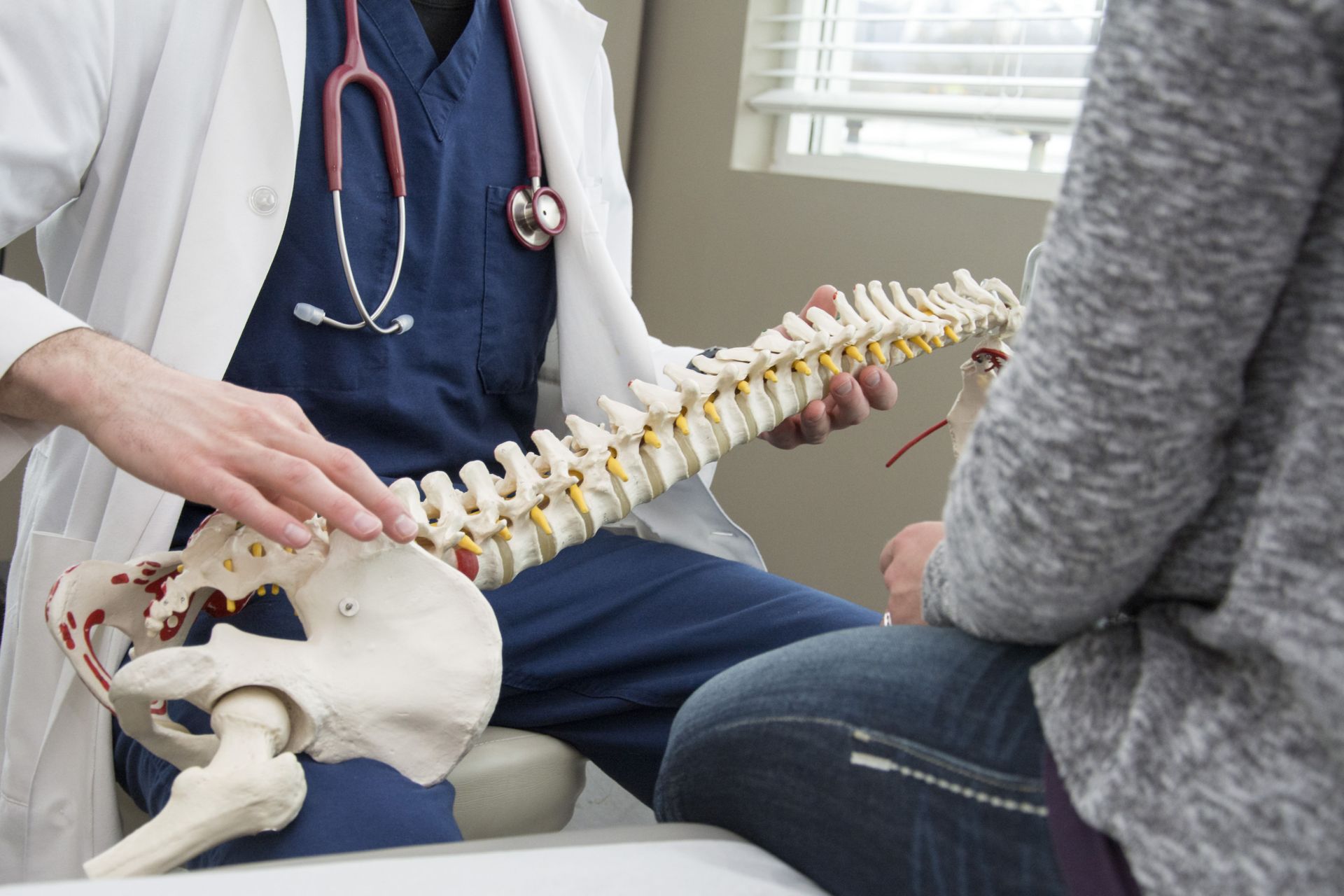
Recognizing key physical warning signs helps individuals determine whether non-surgical decompression aligns with their specific spinal health challenges. Patients suffering from bulging discs, herniations, sciatica, or degenerative disc conditions frequently seek out decompression as an effective alternative to invasive interventions. Sharp, shooting pain radiating down the legs, persistent lower back stiffness, and numbness or tingling in the extremities often indicate nerve compression within the lumbar spine. Similarly, neck stiffness paired with radiating arm discomfort suggests cervical disc compression requiring targeted decompression care. Individuals who experience little relief from standard rest, thermal therapy, or basic stretching routines often find decompression therapy to be a turning point in their recovery journey. Evaluating your symptoms with a certified chiropractor provides clarity on whether decompression therapy offers the optimal path toward functional mobility.
Comparing Decompression to Traditional Adjustments
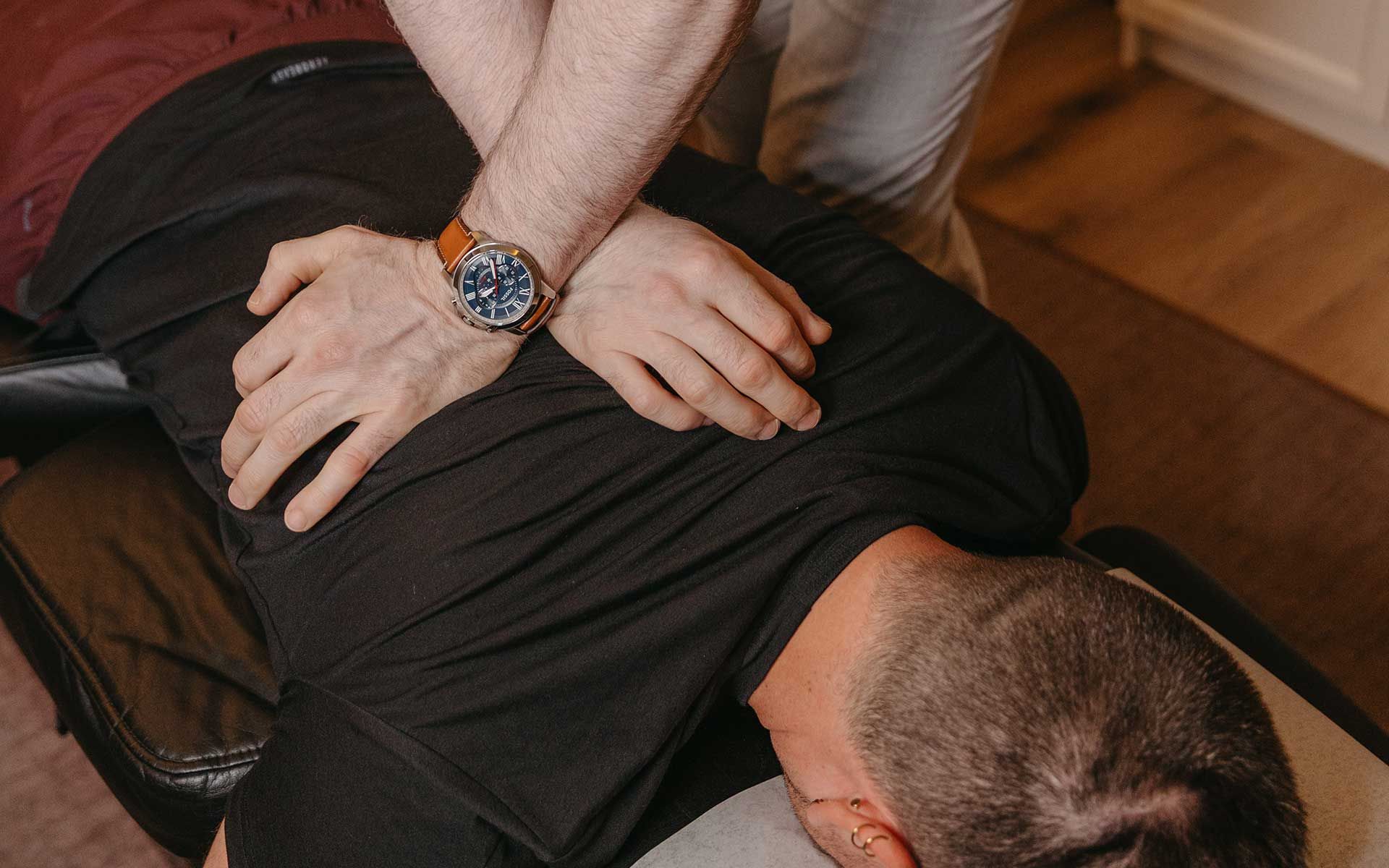
Distinguishing between manual spinal adjustments and non-surgical decompression clarifies how different care modalities address distinct physical issues. Manual spinal adjustments utilize targeted, high-velocity thrusts to realign shifted spinal joints, restore range of motion, and reduce nervous system interference. Decompression therapy, by contrast, relies on slow, sustained mechanical traction to decompress intervertebral spaces and relieve pressure on compressed nerve roots over extended timed cycles. While adjustments focus on joint mobility and structural alignment, decompression targets disc hydration, soft tissue repair, and internal disc pressure reduction. Many comprehensive care plans combine both approaches, using manual adjustments to restore joint alignment while employing decompression to heal damaged disc structures. Receiving a balanced combination of targeted therapies from a trained chiropractor maximizes physical recovery and restores long-term spinal stability.
Preparing for Your First Decompression Session
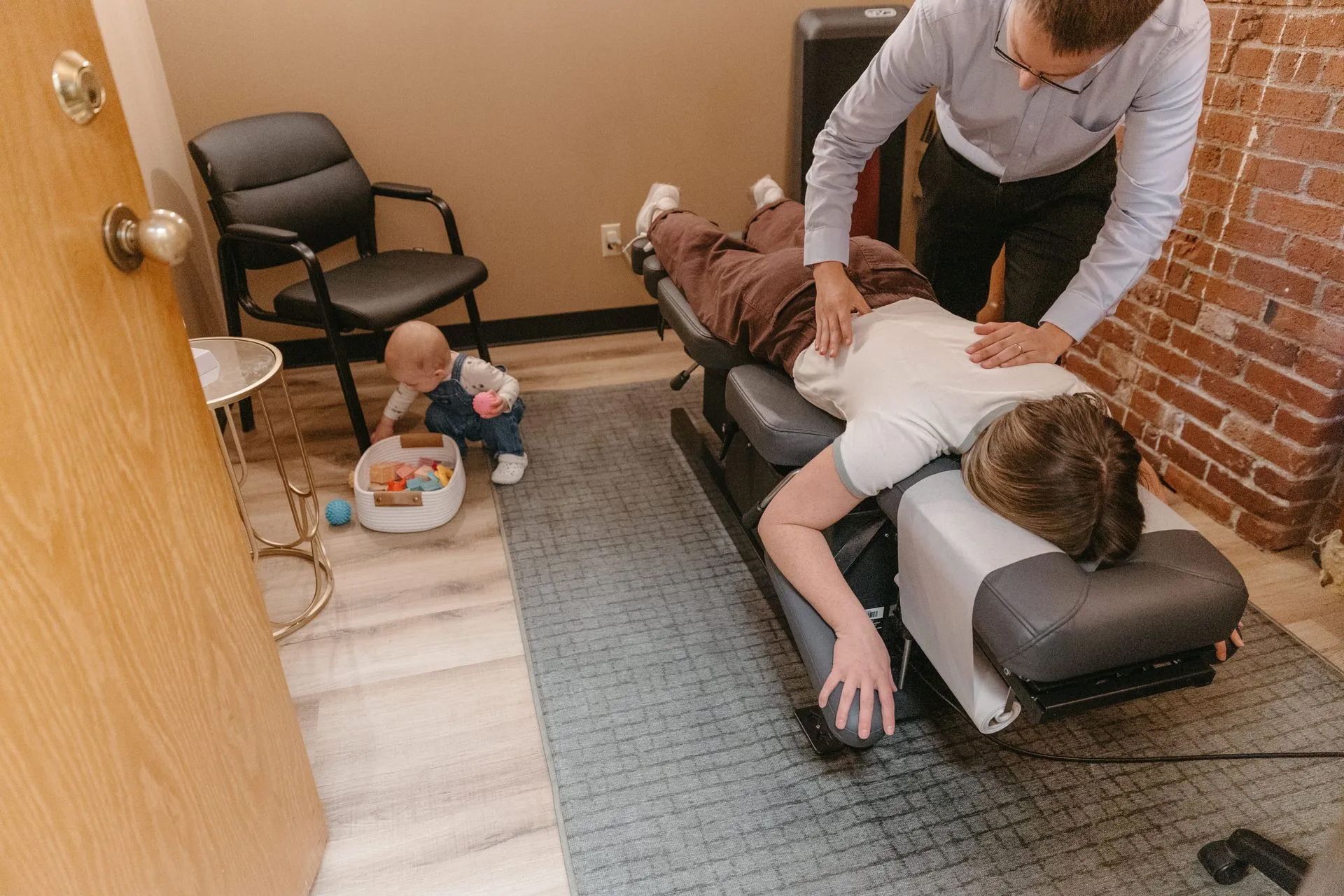
Knowing what to expect during an initial spinal decompression appointment eliminates anxiety and fosters a comfortable, relaxing experience. The initial visit begins with a detailed physical evaluation, health history review, and structural posture assessment to confirm that decompression is safe and appropriate. Patients remain fully clothed during treatment sessions, so wearing loose, flexible athletic clothing ensures optimal comfort throughout the procedure. Once positioned on the decompression table, specialized padded straps fit securely around the waist and chest to isolate the target spinal region. The care practitioner initializes the computerized program, and the table slowly applies precise, gentle traction cycles while the patient rests quietly. Most patients report feeling a gentle stretch along their spine, with many becoming so comfortable that they relax or nap during treatment. Guidance from a caring chiropractor ensures that every aspect of your session is managed with extreme attention to comfort and safety.
Enhancing Healing with Complementary Modalities
Combining decompression therapy with supportive holistic care techniques accelerates tissue healing and enhances overall physical recovery. Therapeutic cold laser, electrical muscle stimulation, and localized ultrasound are frequently applied prior to or following decompression sessions to reduce tissue inflammation and soothe tight surrounding muscles. Incorporating targeted core-strengthening exercises, flexibility stretches, and ergonomic posture adjustments reinforces spinal stability between scheduled appointments. Proper hydration plays a critical role as well, since rehydrating spinal discs requires adequate daily water intake to support cellular repair and disc cushioning. Establishing healthy daily habits alongside clinical care prevents future re-injury and maintains optimal spinal alignment throughout daily work and recreational activities. Partnering with a holistic chiropractor provides you with a comprehensive recovery strategy that extends well beyond table sessions.
Maintaining Long-Term Spinal Health and Mobility
Sustaining healthy spinal function requires consistent proactive care, ergonomic awareness, and ongoing wellness maintenance even after pain subsides. Once decompression therapy restores disc space and alleviates acute discomfort, transitioning into a supportive wellness regimen preserves your physical gains. Adopting posture-supportive workspace setups, utilizing ergonomic seating, and taking frequent movement breaks during long computer work sessions reduce daily mechanical strain on your spine. Engaging in low-impact cardiovascular exercise, such as walking or swimming, promotes continuous blood circulation and maintains core muscle strength around the spinal column. Periodic spinal evaluations allow your care team to detect subtle misalignments early, correcting minor issues before they escalate into painful flare-ups. Entrusting your ongoing spinal maintenance to a dedicated chiropractor empowers you to live an active, comfortable, and vibrant life free from physical limitations.
Prioritizing your spinal health through advanced, non-invasive therapies transforms daily comfort, restores functional mobility, and enhances your overall quality of life. From understanding the mechanical principles of non-surgical decompression and identifying disc symptoms to combining therapies and maintaining posture health, expert spinal care provides a clear path to lasting physical wellness. Taking a proactive approach to spinal maintenance ensures that your body remains strong, resilient, and ready for life's daily activities. Investing in professional, compassionate care allows you to address the root cause of back discomfort rather than temporarily masking symptoms. At Laurelhurst Chiropractic, we take immense pride in providing personalized care, non-surgical decompression, traditional adjustments, and holistic wellness support tailored to your unique health goals. Contact us today to schedule your comprehensive spinal consultation, explore our advanced therapeutic options, and experience how our dedicated team can support your journey toward lasting health and vitality.